
| RTP | 94.5%–96.2% |
| Volatility | Medium–High |
| Typical min bet | $0.10–$0.50 |
Mechanically the game leans classic slot design with extra flavor: you can trigger themed bonus mechanics through scatters and a free spins round that accelerates payout potential, while occasional multipliers lift the top end. If you enjoy chaotic paytables, the risk/reward curve here rewards patience; try small incremental bet increases after a confirmed win streak. Operator-side elements like bonuses and promo codes will matter a lot for value, and check deposit and withdrawal speed plus support responsiveness before committing big funds.
On the compliance side, the provider usually asks for standard KYC and has clear support channels, and you should expect typical verification steps when cashing out at most casino operators. If you prefer table-like interaction, note this is a slot rather than a title with live dealers, so set expectations accordingly; manage your bankroll with stop-loss limits and consider bonus terms before using promos to stretch playtime.
Clash of Fowl and the Undead: Practical Guide
Clash of Fowl and the Undead: Practical Guide focuses on the bonus-round architecture that defines player value in this themed slot, breaking down how triggered sequences deliver peak returns. The base mechanics hide layered triggers where a single hub symbol can seed a cascade into a dedicated bonus zone, commonly unlocking free spins whose frequency and depth are dictated by the slot’s internal trigger table and payback pacing, so expect variance to show through bursty sessions typical of modern video slots. chicken
The technical heart of the feature is a staged progression: initial entry grants a simplified board with increasing complexity on retriggers, and many designs include an optional feature buy that prices access to the full bonus ladder. Understanding how the re-trigger thresholds and symbol upgrades scale across rounds lets you judge expected session length and the likely value of buying versus waiting for natural entry. Keep an eye on retrigger caps and whether the game applies soft or hard caps to progressive enhancements, because that changes long-term RTP exposure.
Deep mechanics often hinge on symbol roles: scatters may unlock the doorway, while stacked special symbols convert into expanding wilds during the bonus, and bonus-specific modifiers can alter hit frequency for the highest-paying setups. Look for clear documentation of how bonus symbol substitution works and whether bonus-only symbols appear in the base game to feed the round, since that determines effective probability of landing top combinations. zombies
Finally, adapt your bet sizing to the bonus design: if the round features rising multipliers or a capped jackpot, a moderate stake strategy with occasional sprints into higher bets when a bonus is imminent often optimizes bankroll longevity. Briefly check published RTP and volatility indicators to align session length with bankroll, and verify whether the game supports in-bonus gamble mechanics or immediate payout caps before committing larger stakes in the casino environment. casino
Core mechanics: how fowl units counter reanimated hordes
Designers use the fowl archetype as a predictable dampener on swingy outcomes, turning risky swarm encounters into a string of manageable events. A well-tuned chicken unit provides frequent, small-resolution interactions that act like micro-payouts within a broader paytable, shortening loss streaks and nudging hit frequency upward without destroying headline wins; mention of volatility is brief to highlight that its purpose is smoothing, not flattening, the experience.
Mechanically, these birds are implemented as staged mitigators that absorb progressive threat layers and credit proportional returns, often scaled with multipliers to keep each engagement meaningful. Their attacks are coded as many small checks rather than one-off outcomes, so the payoff curve shifts toward lower variance at mid-stakes while preserving the occasional large payout node through separate systems. This gives bankrolls breathing room between big events.
Variance management in practice
When hordes trigger major features, fowl units gate those triggers and reduce the cliff-edge risk that would otherwise punish most spins; a surviving flock can turn a near-miss into a compensated partial win or a soft retrigger that feeds into a bonus. Designers commonly tie these partial outcomes into feature chains such as free spins to maintain player engagement while preserving headroom for the rare, high-value sequences.
On a systems level, chickens are mapped to hit-frequency buckets that trade top-end hit probability for steady middle-range returns, and this mapping often interacts with symbol mechanics like wilds to create dynamic, low-friction recovery paths. The result is a layered RTP expression where the macro percentage remains intact but the variance profile is softened by interstitial fowl actions that reduce bust sequences.
For operators and players, the net effect is a more forgiving risk profile: average session lengths rise and volatility spikes are rarer because the feathered defenders truncate deep negative swings before they cascade into full resets. This tuning is observable in live product telemetry in a modern casino where analytic cohorts show lower churn on titles that use these buffering mechanics, making the configuration attractive for portfolio stability in the competitive casino environment.
Balancing tools for escalating wave difficulty and player progression
Balancing volatility across escalating waves requires deliberate variance controls so progression feels earned without destroying sessions, and designers can tune mid-tier win frequency to smooth experience. One approach is to program conditional payout floors that trigger during a themed encounter like chicken to prevent long droughts but keep the long-term edge intact, preserving both thrill and retention while respecting measured volatility.
Telemetry-driven adaptive hit-rate controllers are central to variance management: real-time session state, stake history and recent outcomes feed models that adjust small-win probabilities subtly to prevent churn. These adjustments are constrained by predetermined math models so the house edge and advertised parameters remain stable; the goal is to reduce tail risk for players while keeping expected value and regulatory reporting unchanged.

Statistical shaping of reward distributions lets developers tune wave escalation in a principled way, using capped draw distributions and negative-binomial style pacing so difficulty spikes correspond to predictable reward envelopes and RTP targets. Tying these envelopes to progression states enables controlled increases in challenge with proportional reward uplift so a wave populated by zombies can escalate payout variance only where the model predicts sustainable engagement.
Practical tools include dynamic volatility buckets, guaranteed small-payout ladders, and bounded progressive features that scale by session time rather than raw bet size, limiting sudden bankroll shocks. Designers may also implement smoothing windows that redistribute a fraction of large wins across subsequent waves to maintain momentum; these mechanics preserve excitement while reducing extreme variance that drives abandonment.
From an operational standpoint the casino must audit and document any adaptive variance systems, with clear limits and visible player communications about pacing mechanics and expected progression. Responsible gaming safeguards, tiered volatility settings per player segment and deterministic demo modes help players learn wave dynamics without financial exposure, enabling safer progression and stronger long-term engagement metrics.
Optimal loadouts: resource allocation, unit synergies, and upgrades
Variance management in slot and live table sessions often comes down to how a player chooses to play chicken with streaks: whether to tighten unit size and preserve buy-in after a losing run or keep weight on feature-rich bets to chase recovery. Treating each session as a set of discrete skirmishes helps allocate a finite bankroll across sequences of spins or hands, balancing risk per unit against the psychological cost of volatility.
Effective bankroll allocation treats bet units like interchangeable troops whose synergies depend on game mechanics: pairing conservative base bets with occasional feature buys or side bets creates smoothing that reduces ruin risk. Prioritize upgrades that increase expected value in a low-variance way, and use multipliers in targeted rounds rather than across-the-board volatility increases, so unit combinations provide predictable coverage without blowing through reserves.
Upgrade choices should be evaluated not just for their headline payout but for how they change session variance and long-term edge; stubborn losing stretches behave like a swarm of zombies that eat into resupply if you keep inflating stake sizes. Briefly check RTP adjustments when considering feature purchases because some upgrades shift effective house edge and variance, and treat that shift as a tax on your allocation model when planning unit synergies.
On the tactical level, construct loadouts by dividing bankroll into tranches for different roles: a core reserve for steady base play, an opportunistic reserve for timed feature engagement, and a recovery reserve for controlled escalations. Invest in upgrades that increase control (for example, buy options that cap downside or offer predictable trigger rates) rather than those that merely increase jackpot potential, since consistent smaller wins compound more reliably across sessions.
When approaching a live session at a physical or online casino you want clear upgrade priorities and unit limits so you can adapt to table rhythms and feature cadence without breaking rules you set for yourself. Set a firm min bet plan and upgrade threshold, monitor how unit synergies perform over sample windows, and allocate future resources toward the upgrade pathways that demonstrably reduce ruin probability while preserving upside.
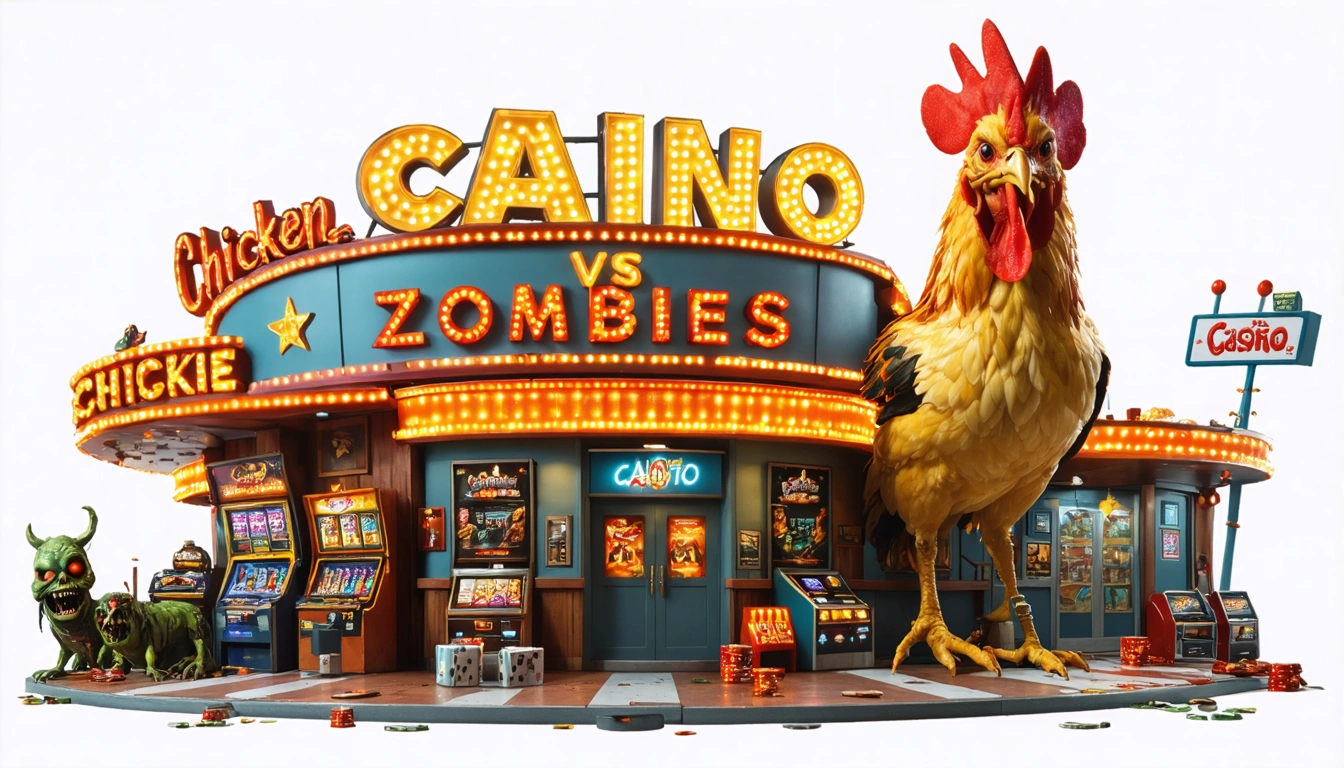
Assessing chicken vs zombies casino: payout structure, fairness, and regulations
When evaluating payout structure and fairness through the lens of withdrawal and verification reality, the critical signals are the gating points where funds move from balance to bank. Payout schedules advertised as “instant” often mask staged releases: initial small amounts to validate payment rails, followed by manual holds pending KYC. The interaction between automated payment processors and human compliance teams determines whether a player sees timely remittance or extended pending periods; this is especially visible when assessing the withdrawal queue at chicken.
Verification workflows are where fairness and regulation intersect: identity checks, proof of address, and source-of-funds requests are standard under AML rules but vary in scope and turnaround. A transparent policy will show average processing times and conditions for escalations; published RTP gives a baseline fairness metric but cannot substitute for clear cashout timelines. Regulators typically require documented dispute channels and record retention that any assessment must verify to judge whether verification is being used proportionally or as a revenue-retention tactic.
Payout ceilings, per-transaction limits, and wagering rollovers materially shape the real value of a win, and withdrawal reality often hides in bonus terms and release rules for promotional awards such as free spins. Responsible platforms disclose max/min withdrawal amounts, ID verification tiers tied to limits, and how third-party payment providers affect timing and fees. Watch for clauses that allow unilateral freezes for “suspicious activity” and whether there is an independent appeals route, since opaque holds can convert solvable disputes into long-term locked balances described by some players as zombies.
Regulatory compliance should be evidenced by clear licensing, independent testing of RNG and payout percentages, and an accessible complaint mechanism to the relevant gambling authority; these elements constrain arbitrary delays and ensure proportional verification. Practical assessment looks for escrow-like protections or insurer arrangements that guarantee large payouts, timely documentation for chargebacks, and published audit summaries. Always confirm license jurisdiction and regulator contacts before committing funds to any casino.
UX Readability Conclusion
Clear visual hierarchy, concise feedback, and adjustable pacing help players follow large-scale skirmishes without losing track of outcomes.
Grouping effects, consistent iconography, and persistent summaries reduce overload so the action and rewards remain understandable.
From a player perspective, expect that payouts will be presented clearly but remain subject to variance; watch hit-rate indicators, session volatility cues, and running totals to understand feel during your sessions. When theming and particle limits are applied to reduce clutter, even bright visual styles inspired by chicken can stay readable if designers prioritize contrast, timing, and persistent result panels.
Responsible play is integral: set deposit limits, define stop-loss levels, use cooldowns between sessions, and practice conscious play rather than chasing losses. Test for edge cases where overlapping effects hide important info and optimize layering so fast chains of events for zombies do not obscure summaries or mislead the player. Audio cues, scalable UI elements, and latency-aware animations further reduce misreads and help players make informed bets rather than reactive ones. Always choose licensed operators and check safety signals such as valid certificates and clear terms before staking real funds on any casino. If you want to continue exploring, consider available bonuses, promo codes, or new slots as measured parts of a session plan rather than shortcuts to success.
Questions and answers:
Question: What is Chicken vs Zombies?
Answer: Chicken vs Zombies is a lively shooter where plucky hens face waves of groaning zombies across colorful maps. Players collect seeds, upgrade clucks, and unlock quirky gear to push back the undead. The tone mixes slapstick humor with frantic action for short, replayable runs.
Question: How do power-ups work and where do I find them?
Answer: Power-ups are temporary boosts such as egg shields, turbo flaps, and bomb drops that spawn during runs or drop from special crates. Some seasonal promotions tie in branded drops, and occasionally you may see offers from partners like chicken vs zombies casino for themed tokens. Use power-ups at clutch moments to turn tight fights in your favor.
Question: Are there in-game purchases or microtransactions?
Answer: The game offers optional purchases for cosmetics, convenience bundles, and currency packs that speed up progression. None of these purchases are required to enjoy core content, and many cosmetics are earnable through play. Keep an eye on seasonal bundles for good value if you prefer to support the developers.
Question: What tips help beginners survive longer?
Answer: Focus on upgrading health and peck power first, learn enemy attack patterns, and conserve big cooldowns for dense waves. Practice positioning so you avoid getting flanked and use dash to break contact when overwhelmed. Small improvements in timing and upgrade choices lead to steady progress.